 Leafprint
Delivery services
When your website is your storefront
A delivery service has no foot traffic to fall back on. If someone leaves your site without ordering, you may never hear from them again, so understanding those visits matters even more.
What online-first teams look at
Delivery teams usually care about two things: whether visitors live within the delivery area, and where they drop off. Approximate location addresses the first question. Pages viewed, clicks, and scrolling can help with the second.
If a lot of traffic comes from outside your zone, your marketing may be reaching the wrong places, however good your visit counts look.
Finding where first orders stall
Look at the pages visitors see before they leave. People who reach your delivery area page and go no further may be finding out that you do not serve them, or may not be finding the answer at all. People who keep reading your menu but never order may be hitting a minimum they do not like. The data will not tell you exactly why, but it tells you where to look.
Make one change at a time and watch what happens. Delivery operators can often move fast on this, since they control the whole site experience and do not rely on a store team.
Service area checks
Delivery rules vary by state and sometimes by city. Some zones you serve may have their own marketing restrictions. Use location data to check that your campaigns line up with where you are licensed to deliver, and tighten your geographic targeting if they do not.
Repeat customers
Delivery depends heavily on repeat orders, and your opted-in customers are the core of that. As with a store, a match gives you no permission to text someone. Build your SMS list at checkout and through your account signup, with clear consent language. Use identification to learn about the people who have not yet joined.
Competing for attention
Your competitors are usually one search away. If your traffic data shows that people arrive through a specific kind of search or referral source, pay attention to what they see first. A page that answers delivery area, minimum, and timing right away respects their time and gives them fewer reasons to go back and click on someone else.
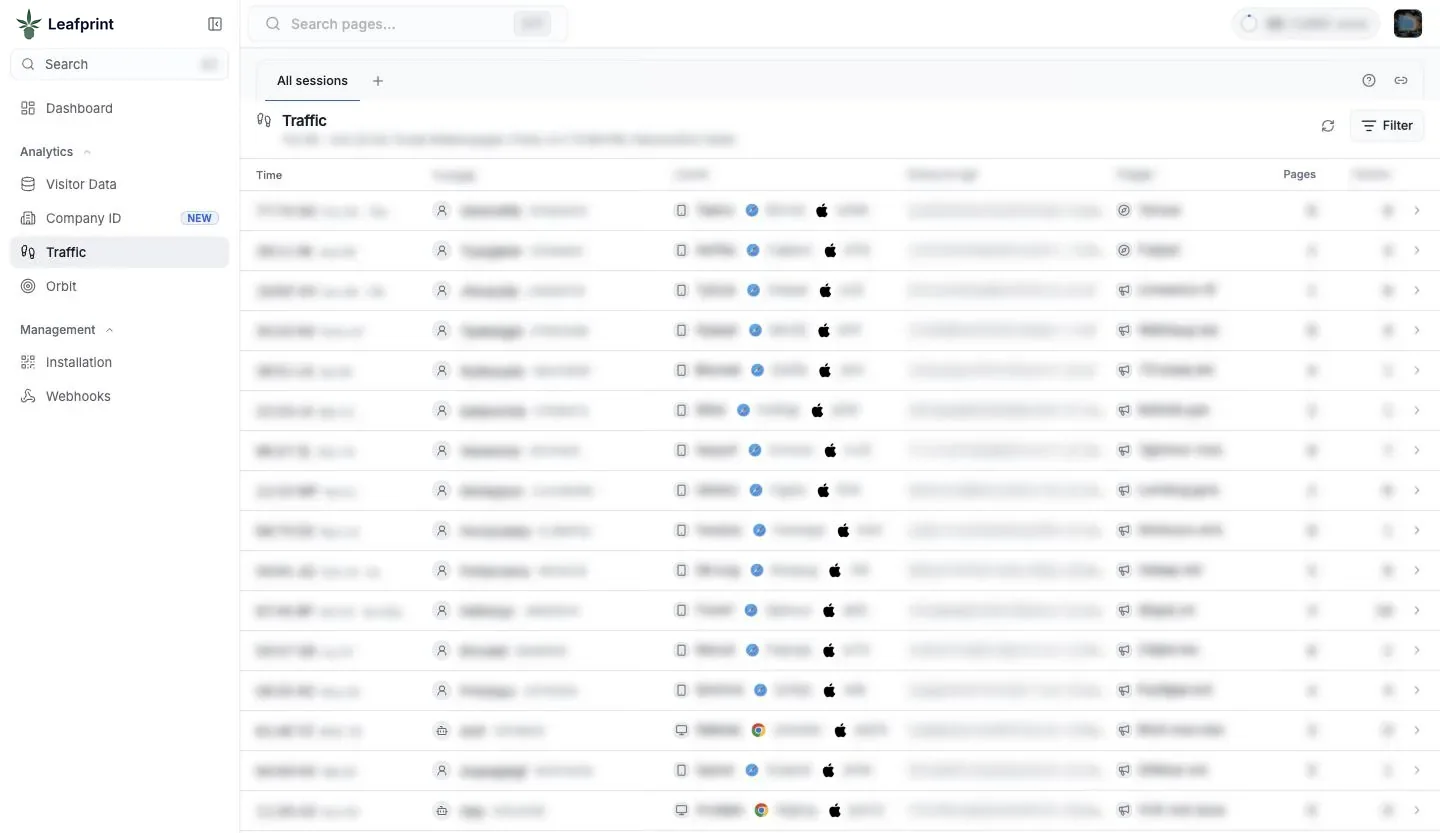
See the calculator to estimate your spend, and the Traffic page for how channel reporting works.
Common questions
Can this tell me why someone did not order?
Not directly. It shows where people went and where they left, which tells you where to look. You will still need to test changes to find the actual reason.
Does it help with delivery zone targeting?
Approximate location can show whether traffic comes from areas you serve. It is approximate, so use it for patterns, not for decisions about individual addresses.
Where should we collect SMS consent?
At checkout and in account signup, with clear consent language reviewed by counsel. Those are natural moments for customers to agree to messages.
See it on your own traffic
We will walk through the portal, the pixel, and how consent works, then answer questions about your stores and systems.